

Bad posture usually develops gradually due to daily habits that place the body in unnatural positions for long periods. One of the biggest causes is prolonged sitting, especially in poorly designed workspaces where chairs, desks, or screens are not aligned properly with the body. When a person sits for hours without adjusting their position, the spine begins to lose its natural curve, and muscles become weak or tight in certain areas, leading to imbalance.
Another major cause is excessive use of smartphones and laptops, which forces the head to tilt forward for long periods. This “forward head position” puts extra strain on the neck and upper back muscles, gradually changing the natural alignment of the spine. In addition, lack of physical activity, weak core muscles, and carrying heavy bags on one shoulder also contribute to developing bad posture over time.
Health Problems Linked to Bad Posture
Bad posture does not only affect appearance but also affects overall health in serious ways when people leave it uncorrected for a long time. One of the most common issues people experience is chronic pain in the neck, shoulders, and lower back because muscles stay under uneven stress for long periods. This tension often becomes persistent and can even disturb sleep quality and reduce daily comfort.
In more severe cases, poor posture can impact breathing and digestion because a hunched body compresses the chest area. It can also cause fatigue, reduced flexibility, and long-term spinal problems as the body slowly adapts to incorrect alignment. Over time, these small issues can grow into major lifestyle limitations if people do not correct bad posture early.
Types of Bad Posture You Should Know
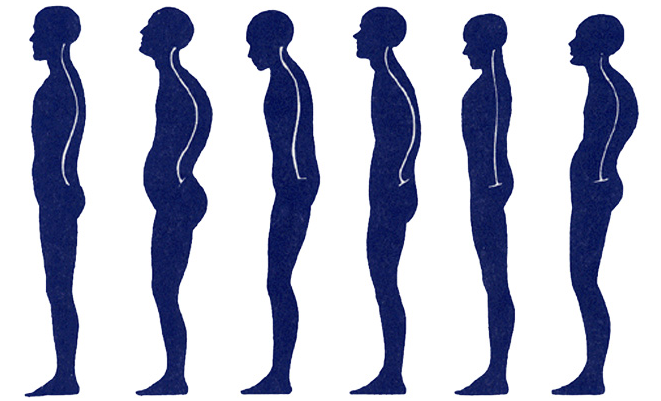
There are several common patterns of bad posture, and each one affects the body in different ways. One of the most recognizable types is forward head posture, where the head shifts in front of the shoulders, creating strain on the neck and upper spine. Another common type is rounded shoulders, often caused by long hours of sitting and poor desk posture, which leads to a hunched upper back appearance.
Other types include swayback posture, where the hips shift forward and the lower back becomes overly curved, and excessive kyphosis, which creates a noticeable rounding of the upper spine. These posture types not only change body appearance but also reduce movement efficiency and increase the risk of long-term discomfort if bad posture habits continue.
Bad Posture at Work and Screen Habits
Modern work environments play a major role in developing bad posture, especially for people who spend most of their day sitting in front of screens. Poor workstation setups, such as low monitors, uncomfortable chairs, or lack of back support, force the body into unnatural positions for extended hours. This slowly weakens posture-supporting muscles and increases pressure on the spine.
Screen habits outside of work also add to the problem. Many people use phones while lying down or sitting in slouched positions, which encourages forward head tilt and rounded shoulders. Without regular breaks or stretching, the body remains stuck in these positions, making bad posture more difficult to correct over time.
Exercises and Corrections for Better Posture
Correcting bad posture requires a combination of awareness, movement, and strengthening exercises. Simple actions like stretching the chest, shoulders, and hip flexors can help release tight muscles and restore balance in the body. Strengthening core muscles is equally important because a strong core supports the spine and helps maintain proper alignment throughout the day.
Exercises such as planks, wall angels, and shoulder blade squeezes are commonly recommended to improve posture. Along with exercise, small adjustments like sitting upright, keeping screens at eye level, and taking regular movement breaks can significantly improve posture over time. Consistency is key, as correcting bad posture is a gradual process rather than an instant fix.
Healthy Habits to Prevent Bad Posture
Preventing bad posture is easier than correcting it, and it starts with building simple daily habits that support spinal health. Maintaining an active lifestyle with regular movement helps keep muscles flexible and strong, reducing the chances of stiffness and imbalance. Even short walks or stretching sessions during the day can make a big difference.
Another important habit is maintaining ergonomic awareness, such as adjusting chair height, keeping feet flat on the ground, and ensuring proper screen positioning. Avoiding long hours of continuous sitting and practicing good posture while standing, walking, and using devices can significantly reduce the risk of developing long-term posture problems.
Conclusion
Bad posture is a growing issue in modern life. Long sitting hours, heavy screen use, and lack of physical activity mainly cause it. At first, it may seem minor, but it can lead to chronic pain, reduced flexibility, and long-term spinal strain if you ignore it. The good news is that you can improve and maintain posture effectively with consistent awareness, simple exercises, and better daily habits, which support better health and overall well-being.
FAQs
1. What is the main cause of bad posture?
Prolonged sitting, poor ergonomics, and excessive screen use are the main causes.
2. Can bad posture be corrected?
Yes, with regular exercise, stretching, and posture awareness, it can be improved.
3. Does bad posture cause pain?
Yes, it often leads to neck, shoulder, and back pain over time.
4. How long does it take to fix bad posture?
It depends on consistency, but noticeable improvement can take a few weeks to months.
