
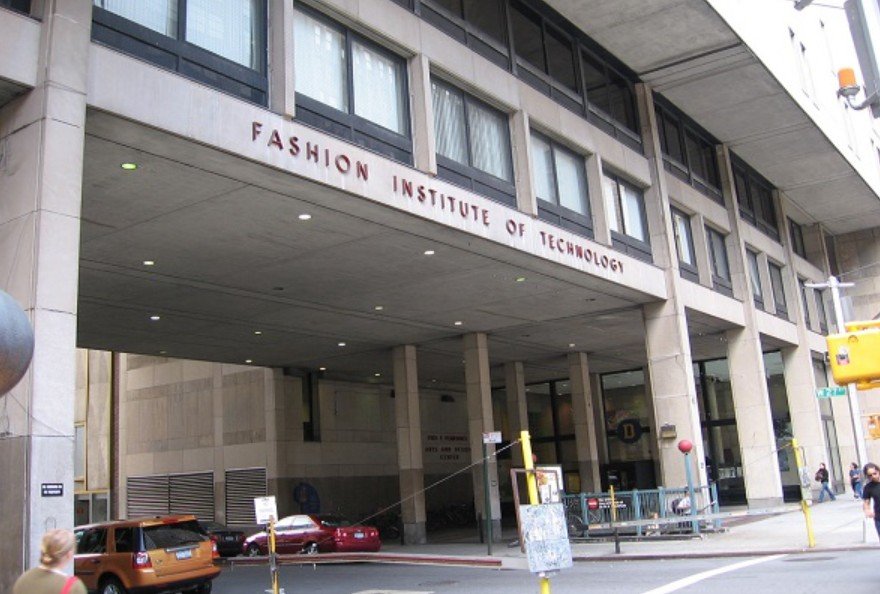
What Is the Fashion Institute of Technology?
The Fashion Institute of Technology, often called FIT, is one of the most recognized public colleges in the United States for students interested in fashion, design, business, technology, art, communications, and creative industries. Located in New York City, FIT is part of the State University of New York (SUNY) system and has built a strong reputation for combining practical career training with academic study. SUNY describes FIT as an internationally recognized leader in career education in design, fashion, business, and technology.
What makes the Fashion Institute of Technology different from many traditional colleges is its industry-focused approach. Students are not only learning theory; they are studying in one of the world’s biggest fashion and business capitals. New York City gives FIT students access to fashion houses, media companies, design studios, retailers, museums, agencies, showrooms, and networking opportunities that are hard to match elsewhere. For students who want a career in fashion design, fashion business, textile development, marketing, illustration, interior design, or creative entrepreneurship, FIT offers a learning environment closely connected to the real industry.
Although the name includes the word “fashion,” FIT is not limited to clothing design. The college has grown into a broader creative and business institution. Today, it offers programs in areas such as advertising, cosmetics and fragrance marketing, international trade, photography, packaging design, toy design, animation, film and media, and more. This makes FIT a strong choice for students who want creative education with business and technical skills.
History and Reputation of FIT
The Fashion Institute of Technology was founded in 1944 to help prepare skilled professionals for the growing fashion and apparel industry. According to FIT’s official history, the institute opened with just 100 students and was first located on the top two floors of the High School of Needle Trades. That small beginning later grew into one of the most respected fashion and design colleges in the country.
FIT’s reputation developed because it was created around a real industry need. The fashion industry needed trained designers, managers, merchandisers, and technical experts, and FIT helped fill that gap. Over time, the college expanded beyond fashion into business, communications, art, technology, and graduate education. FIT’s catalog notes that the college now offers 48 programs leading to degrees such as AAS, BFA, BS, MA, MFA, and MPS.
Another reason FIT has authority is its public college status. Because it is part of SUNY, FIT combines the reputation of a specialized fashion and design school with the structure of a public higher education institution. This matters for students and parents because accreditation, affordability, academic standards, and degree recognition are all important when choosing a college.
FIT is accredited by the Middle States Commission on Higher Education and the National Association of Schools of Art and Design. Some specialized programs also have accreditation from organizations such as the Council for Interior Design Accreditation and the Accreditation Council for Business Schools and Programs. These accreditations help support FIT’s credibility and show that the college meets recognized academic and professional standards.
Academic Programs at Fashion Institute of Technology
The Fashion Institute of Technology offers a wide range of academic programs for students interested in creative and business careers. FIT is especially known for fashion design, but its academic strength goes beyond design alone. Students can study fashion business management, textile development, advertising and marketing communications, illustration, photography, interior design, packaging design, cosmetics and fragrance marketing, and several other fields connected to creative industries.
One important feature of FIT is its 2+2 curriculum. FIT explains that students applying directly from high school usually begin in a two-year Associate in Applied Science program. After completing the AAS degree, students may apply to continue into a two-year bachelor’s program in a BS or BFA track. This structure gives students a clear academic pathway while allowing them to build practical skills early.
For students interested in fashion design, FIT provides a highly specialized environment. The college’s location in New York City gives design students exposure to fashion markets, trend research, production methods, exhibitions, and industry events. Students are often drawn to FIT because they want hands-on training rather than a purely classroom-based fashion education.
For students more interested in the business side of fashion, FIT also offers strong options. Fashion business management, advertising, marketing communications, international trade, and cosmetics and fragrance marketing are examples of programs that connect creativity with commerce. This is important because the fashion industry needs more than designers. It also needs buyers, merchandisers, marketers, brand managers, product developers, retail strategists, and digital commerce professionals.
FIT also offers graduate-level programs for students who want advanced study. These include master’s programs in selected creative and business fields. Graduate students may choose FIT because of its specialized focus, New York location, industry relationships, and reputation in fashion and design education.
Admissions, Acceptance Rate, and Application Requirements
Admission to the Fashion Institute of Technology depends on the program and level of study. For undergraduate applicants, FIT has specific deadlines and supplemental requirements. For fall admission, FIT states that the SUNY application must be filed by January 1 for priority consideration, and supplemental materials are due by February 1. These supplemental materials can include academic documents, an admissions essay, and a portfolio for art and design applicants.
Portfolio requirements are especially important for students applying to creative programs. A strong portfolio can show technical ability, originality, design thinking, visual communication skills, and creative potential. Students applying to business-focused programs may not need the same type of art portfolio, but they still need to show academic readiness and clear interest in their chosen field.
According to FIT’s official 2025–2026 enrollment data, the acceptance rate for AAS applicants is 67%, and the average high school GPA for AAS applicants is 89 on a 100-point scale. FIT also reported total enrollment of 8,158 students, including 7,880 undergraduate students and 278 graduate students.
International students should also review English language requirements carefully. FIT requires proof of English proficiency for applicants whose first language is not English. This may include TOEFL, IELTS, PTE, or Duolingo scores depending on the applicant’s situation. Since requirements can change, students should always confirm the latest details on FIT’s official admissions pages before applying.
A good application to FIT should be focused and specific. Applicants should understand why they want FIT, which program fits their goals, and how their background connects to the creative or business field they want to enter. A generic application may not stand out, especially for competitive design programs.
Tuition, Costs, and Student Life in New York City
One of the biggest questions students ask about the Fashion Institute of Technology is cost. Because FIT is a public SUNY institution, tuition can be more affordable than many private fashion schools, especially for New York residents. For Fall 2025 and Spring 2026, FIT lists full-time associate-level tuition at $2,745 per semester for New York City/State residents and $8,235 per semester for out-of-state residents. For baccalaureate-level students, the listed tuition is $3,585 per semester for New York residents and $10,846 per semester for out-of-state residents.
Students also need to consider fees, housing, food, transportation, books, supplies, personal expenses, and the cost of living in New York City. Fashion and design students may also need materials, software, tools, printing, fabric, art supplies, or portfolio expenses depending on their program.
Student life at FIT is different from a traditional large-campus college experience. FIT is located in Manhattan, so the city itself becomes part of the campus experience. Students may attend classes, visit museums, explore fashion districts, network with professionals, attend events, and use New York City as a living classroom.
Some students live on campus, while others commute or rent apartments. New York City offers major opportunities, but it also requires budgeting, independence, and time management.
Museum at FIT, Alumni, and Career Value
One of FIT’s strongest academic and cultural resources is The Museum at FIT. The museum’s permanent collection includes more than 50,000 garments and accessories dating from the 18th century to the present. This gives students access to fashion history, textile research, exhibitions, and real examples of design evolution.
The Museum at FIT is not just a tourist attraction. It supports research, education, and public understanding of fashion as art, culture, business, and history. For students, this can be valuable because fashion education is stronger when it connects creativity with historical and cultural knowledge.
FIT also has a powerful alumni network. Its alumni include well-known names in fashion, media, design, and business. This reputation helps students see what is possible after graduation, though success always depends on talent, work ethic, networking, portfolio quality, and industry timing.
Career value is one of FIT’s major selling points. Students are studying in New York City, close to fashion brands, agencies, retailers, studios, magazines, showrooms, and creative companies. Internships, portfolio development, industry events, and professional connections can all play a role in helping students transition from college to career.
In 2026, FIT also entered a new leadership chapter. FIT announced that Jason S. Schupbach became the college’s seventh president in January 2026, following his appointment by the SUNY Board of Trustees. Leadership changes can influence future priorities, especially in areas such as creative education, design innovation, technology, community development, and industry partnerships.
Is Fashion Institute of Technology Worth It?
The Fashion Institute of Technology can be worth it for students who are serious about building a career in fashion, design, business, or creative industries. Its biggest strengths are its New York City location, specialized programs, public college structure, industry connection, museum resources, and long history in fashion education.
FIT may be especially valuable for students who already know their direction. For example, someone interested in fashion design, fashion business management, textile development, cosmetics marketing, advertising, or visual design may benefit from FIT’s focused academic environment.
Students who want a traditional campus with large sports culture, wide-open green spaces, or a broad liberal arts environment may prefer another college. FIT is best for students who are comfortable in an urban setting and motivated by the fast pace of New York City.
Students should also think carefully about cost, program requirements, portfolio expectations, and career goals. Fashion and design industries can be competitive, so attending FIT is not an automatic guarantee of success. The real value comes from using the college well: building a strong portfolio, gaining internships, networking, learning business skills, and developing a clear professional identity.
Conclusion
The Fashion Institute of Technology is one of the most respected names in fashion, design, business, and creative education. As a SUNY college in New York City, FIT offers a rare combination of public-college affordability, specialized programs, industry access, and cultural resources. From fashion design and textile studies to marketing, communications, cosmetics, illustration, and graduate education, FIT serves students who want practical skills connected to real creative careers.
For anyone researching the keyword fashion institute of technology, the key point is this: FIT is more than a fashion school. It is a career-focused creative college with deep industry roots, strong academic programs, recognized accreditation, and a location that places students close to one of the world’s most important fashion and business centers.
Students considering FIT should review the latest admissions requirements, tuition rates, portfolio guidelines, and program details directly from the official FIT website before applying. With the right goals and preparation, FIT can be a strong starting point for a future in fashion, design, business, media, or creative entrepreneurship.
