
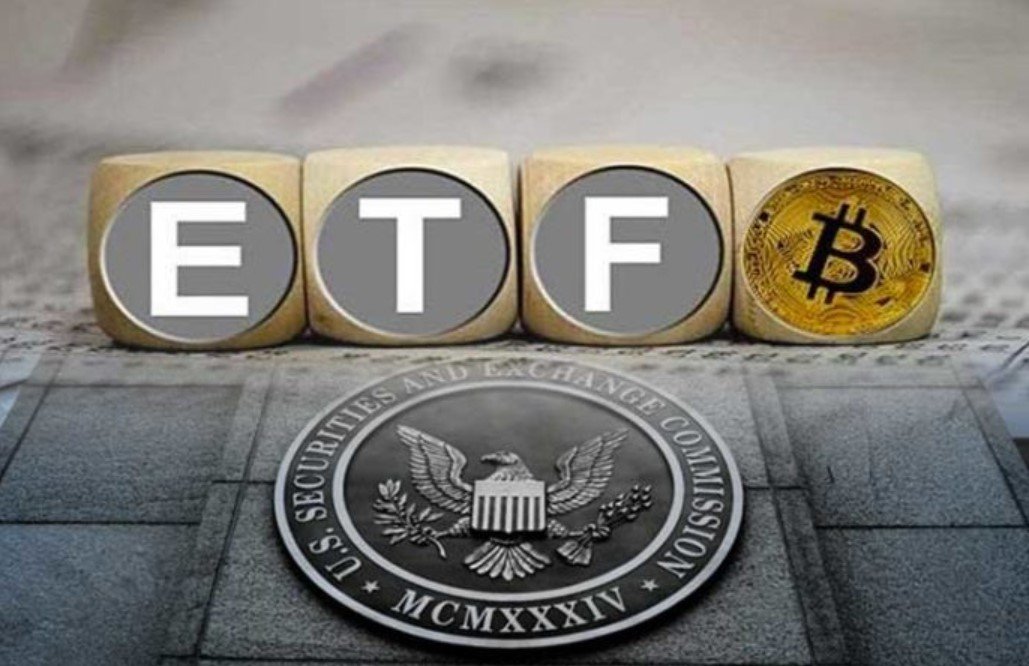
The crypto market is once again focused on regulators, and the latest sec crypto etf news today shows just how quickly the industry is evolving. Over the past few months, the U.S. Securities and Exchange Commission has reviewed new ETF filings tied to Bitcoin, XRP, Ethereum, and several other digital assets. These developments are shaping investor sentiment and influencing how traditional finance approaches crypto.
Institutional firms, asset managers, and retail investors are all paying close attention. Spot crypto ETFs have already changed the way many people invest in digital assets because they provide exposure without directly holding coins in private wallets. In 2026, the conversation has expanded beyond Bitcoin, with XRP and Ethereum ETFs becoming major topics across financial markets.
Why SEC Crypto ETF News Matters in 2026
Crypto ETFs are no longer viewed as niche investment products. Large financial companies now see them as part of mainstream investing, especially after the success of spot Bitcoin ETFs in the United States. The SEC’s decisions can impact billions of dollars in market activity, which is why every update receives global attention.
Many investors prefer ETFs because they simplify crypto investing. Instead of managing wallets, exchanges, and security keys, investors can buy ETF shares through regular brokerage accounts. This convenience has helped increase institutional participation and brought more traditional investors into the crypto space.
Another reason the market watches SEC decisions closely is regulatory clarity. For years, uncertainty around crypto laws slowed adoption. Recent SEC actions suggest regulators are becoming more open to digital assets, although the agency still maintains strict oversight regarding investor protection and market transparency.
The current wave of ETF applications also shows that competition among financial firms is growing rapidly. Companies are trying to launch products linked to Bitcoin, Ethereum, XRP, and even broader crypto indexes. This trend could lead to more investment choices and lower fees for investors over time.
Bitcoin ETFs Continue Attracting Institutional Investors
Bitcoin remains the centre of the ETF market. Since spot Bitcoin ETFs gained approval, institutional investment has increased significantly. Large asset managers and banks continue launching new products designed to attract long-term investors who want regulated exposure to Bitcoin without directly owning the asset.
Recent reports also suggest that major Wall Street firms are expanding their crypto strategies. Goldman Sachs recently filed paperwork connected to another Bitcoin ETF initiative, showing that traditional finance companies still see strong demand for regulated crypto products. Market analysts believe Bitcoin ETFs may continue growing if institutional inflows remain steady.
According to reporting from Reuters, spot Bitcoin ETFs have helped increase mainstream acceptance of cryptocurrency investing. Financial advisers and retirement-focused investors are also beginning to explore Bitcoin exposure through regulated investment products rather than direct crypto purchases.
Bitcoin ETF trading volumes have also remained strong during periods of market volatility. This suggests investors increasingly view these products as long-term investment vehicles instead of short-term speculation tools. As a result, Bitcoin ETFs continue setting the foundation for broader crypto ETF expansion in the United States.
XRP ETFs Are Becoming a Major Market Story
XRP has emerged as one of the most closely watched assets in current SEC crypto ETF discussions. Interest in XRP-related investment products increased after regulatory tensions surrounding Ripple began easing. Several firms are now exploring ETF opportunities tied to XRP, hoping to capture growing investor demand.
Analysts believe XRP ETFs could appeal to investors looking for alternatives beyond Bitcoin and Ethereum. XRP’s focus on cross-border payments and financial infrastructure gives it a different use case compared to many other cryptocurrencies. This has helped generate strong institutional curiosity in recent months.
Market momentum around XRP ETFs has also influenced XRP’s price performance. Investors often react positively when new ETF applications or regulatory developments appear because ETFs can increase accessibility and liquidity. Although no investment outcome is guaranteed, many traders view ETF progress as a sign of broader market acceptance.
At the same time, the SEC continues reviewing crypto-related filings carefully. The agency remains focused on market manipulation concerns, custody standards, and investor protection rules. Even with a more open regulatory environment, approval timelines can still change depending on legal and compliance reviews.
Ethereum ETFs and Staking Discussions Gain Attention
Ethereum ETFs are also becoming a major focus within the digital asset market. While Bitcoin ETFs opened the door for institutional crypto adoption, Ethereum products are introducing new conversations around staking, blockchain utility, and decentralised finance exposure.
One of the biggest discussions involves whether Ethereum ETF issuers will eventually be allowed to include staking rewards within their products. Staking allows Ethereum holders to help secure the blockchain network while earning rewards in return. If regulators approve staking-related ETF structures in the future, Ethereum investment products could become more attractive to income-focused investors.
Ethereum’s role in powering decentralised applications also gives it a different investment profile from Bitcoin. Many investors view Ethereum as both a cryptocurrency and a technology platform because it supports smart contracts, decentralised finance projects, and NFT ecosystems. This broader utility has helped Ethereum ETFs attract growing institutional interest.
Several analysts believe Ethereum ETFs may experience strong long-term growth if adoption of blockchain-based applications continues increasing. However, regulatory scrutiny remains important because the SEC still evaluates how staking mechanisms and crypto yields fit within existing securities laws.
What the SEC’s Latest Moves Mean for Crypto Investors
The SEC’s changing approach to crypto ETFs could reshape the digital asset market over the next few years. More approvals may increase mainstream confidence, encourage institutional participation, and improve liquidity across the broader crypto industry.
For retail investors, ETFs provide easier access to cryptocurrencies through familiar investment platforms. This removes many technical barriers associated with direct crypto ownership. Investors can gain exposure through retirement accounts and brokerage portfolios without managing wallets or private keys themselves.
At the same time, crypto ETFs do not remove market risk. Cryptocurrency prices remain highly volatile, and ETF values can still rise or fall sharply depending on market conditions. Investors should continue researching risks, regulatory changes, and asset fundamentals before making financial decisions.
Another important factor is competition between ETF providers. As more companies launch crypto investment products, fees and features may become more competitive. Some firms may focus on low-cost Bitcoin exposure, while others could introduce diversified crypto baskets or staking-focused investment products.
| Crypto ETF Type | Main Focus | Current Market Interest |
|---|---|---|
| Bitcoin ETFs | Store of value exposure | Very High |
| Ethereum ETFs | Smart contracts and staking | Growing Rapidly |
| XRP ETFs | Payment infrastructure | Increasing |
| Multi-Asset Crypto ETFs | Diversified crypto exposure | Emerging |
Conclusion
The latest sec crypto etf news today highlights how quickly cryptocurrency investing is entering the financial mainstream. Bitcoin ETFs continue attracting institutional money, XRP products are gaining momentum, and Ethereum ETFs are expanding discussions around staking and blockchain utility.
Although the SEC still maintains a cautious regulatory approach, the overall market environment appears more supportive than in previous years. Investors should continue monitoring ETF filings, approval decisions, and broader crypto regulations because these developments could shape the future of digital asset investing for years to come.
FAQs
What is a crypto ETF?
A crypto ETF is an exchange-traded fund that tracks the value of cryptocurrencies like Bitcoin or Ethereum and trades on traditional stock exchanges.
Why is SEC crypto ETF news important?
SEC decisions can affect crypto prices, institutional investment, and how easily investors can access digital assets through regulated products.
Are XRP ETFs approved in the United States?
Several XRP ETF applications are under discussion, but regulatory reviews are still ongoing in many cases.
Do crypto ETFs remove investment risk?
No. Crypto ETFs still follow cryptocurrency market prices, which can remain highly volatile.
